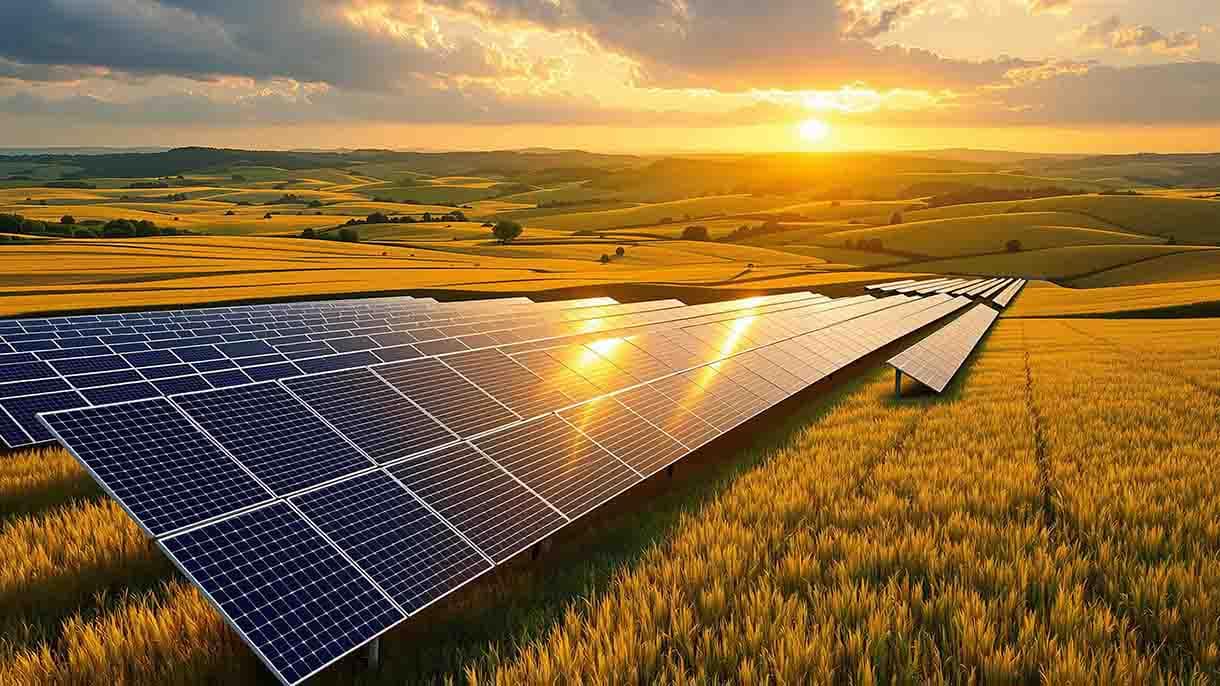
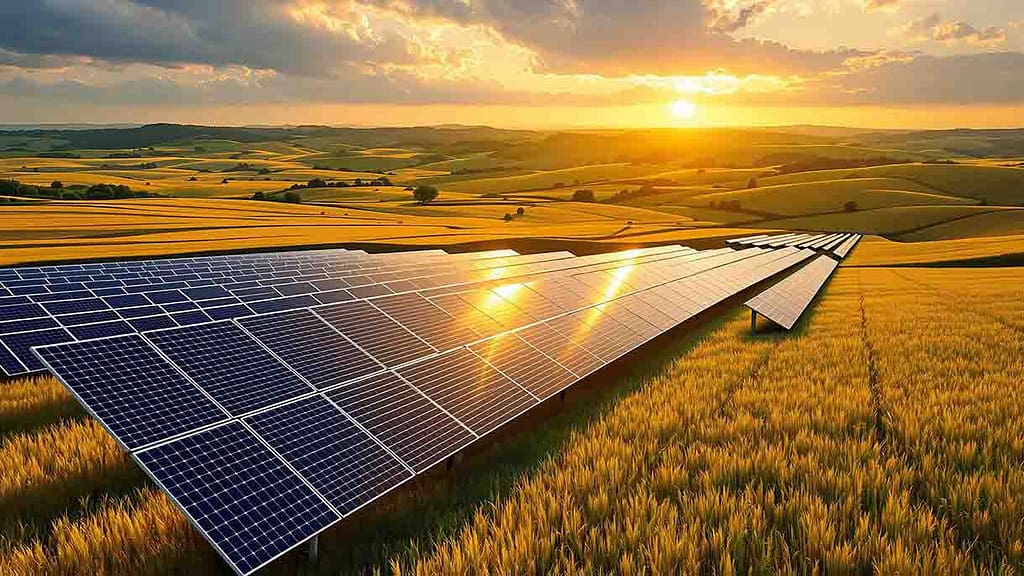
Securitisation of solar assets could be the financial breakthrough Kenya needs to scale renewable energy. Learn how this innovative model unlocks investment, lowers costs, and accelerates solar adoption across the country.
By Edward Kinyanjui – Managing Director, Plexus Energy Ltd
Kenya has made noteworthy strides toward a green energy future, with over 90% of its grid electricity now sourced from renewables. However, distributed solar, essential for homes, businesses, and schools, still faces a financing bottleneck. Despite falling equipment costs, the upfront capital needed for solar and battery systems continues to limit widespread adoption.
Securitisation of solar assets offers a powerful solution: it unlocks large-scale investment by transforming future solar repayments into structured, investable financial instruments. Coupled with global successes and growing local readiness, this tool could be the breakthrough Kenya’s green transition urgently needs.
Securitisation bundles future cash flows—like lease or pay-as-you-go repayments—from solar systems into a portfolio. This portfolio is then used to issue asset-backed securities (ABS) that institutional investors can buy. The proceeds fund new solar deployments, creating a sustainable funding cycle.
India — Rooftop Solar Receivables
India has pioneered green securitisation in the solar space. In 2025, the country issued pass-through certificates backed by residential rooftop solar loan receivables—a first-of-its-kind green securitisation product in South Asia . Earlier, a Climate Bonds Initiative-backed report detailed how bundling solar receivables as ABS can channel domestic capital into rooftop solar and other green investments .
Kenya — Sun King’s Landmark Securitisations
Kenya is already leading the way in solar securitisation in Africa. Off-grid solar provider Sun King recently closed a $156 million local-currency securitisation, converting pay-as-you-go customer repayments into investable assets. This deal is now the largest securitisation in Sub-Saharan Africa outside South Africa . Combined with a prior $130 million issuance in 2023, these securitisations are expected to deliver 3.7 million solar products and smartphones across Kenya .
These examples illustrate how securitisation transforms solar assets into scalable, attractive investments—opening pathways to institutional capital that accelerates energy access.
Why Kenya Needs Securitisation Now
High Power Tariffs & Grid Strain: Rising costs from Kenya Power are pushing households toward solar solutions.
Stable Repayment Data: Kenya’s mature PAYGo market—led by companies like Sun King—provides the historical and ongoing performance data needed to structure securitisations.
Supportive Financial Ecosystem: The regulatory and capital markets framework in Kenya is increasingly open to innovative green finance instruments.
Investor Readiness: ESG-aligned investing is gaining traction among institutional investors seeking stable returns with impact.
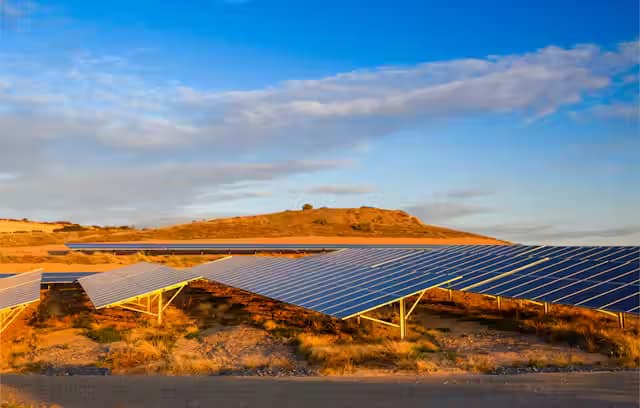
At Plexus Energy Ltd, we see securitisation not just as a financing method, but a transformative bridge between Kenya’s renewable ambitions and its capital markets. By structuring solar-backed ABS, we can:
This approach is essential to shift solar financing from project-specific constraints to a robust, asset-backed ecosystem.
Securitisation of solar assets is the game changer Kenya needs. It turns dispersed solar repayments into structured, investable assets—unlocking institutional capital, reducing costs, and powering the mass deployment of renewable energy.
At Plexus Energy Ltd, we are ready to lead this transformation. By partnering with financiers, regulators, and communities, we aim to make solar energy not just viable, but the default choice for Kenyan households and businesses.



GROWATT SPF 5000ES SOLAR INVERTER
5kVA High Frequency New Generation Off-Grid Inverter for residential and commercial use.
COMMERCIAL & RESIDENTIAL SOLAR SERVICES:
✓ Engineering | Procurement | Construction
✓ Power Continuity Services
✓ Supply of Solar Products
✓ Solar Operations & Maintenance
✓ Remote Monitoring
WhatsApp or Call: +254 720 20 20 40
Chat on WhatsApp Click to Call +254 720 20 20 40
Comments are closed