
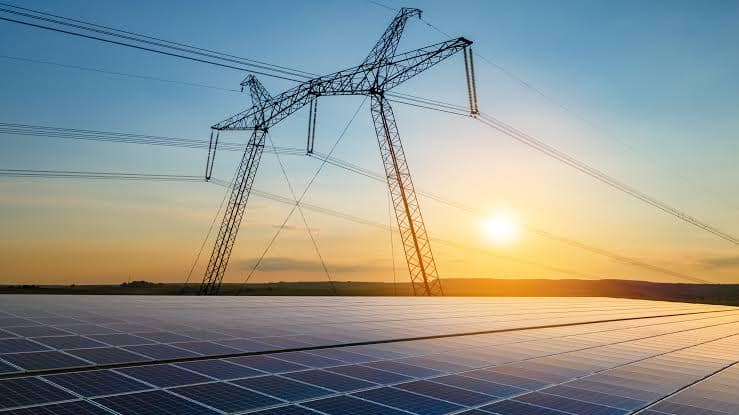
Subsidized Grid Costs vs. High Grid Costs: Kenya is phasing out electricity subsidies. Discover the trade-off between cheap but unreliable power and higher tariffs that fund stable, modern energy.
Blog Post By Edward Kinyanjui
For years, Kenya has relied on government subsidies to cushion electricity consumers from the real costs of generation and distribution. On the surface, this keeps power affordable.
But there’s a trade-off: subsidies often mean utilities lack funds for proper maintenance and expansion, leading to unstable supply, frequent outages, and mounting debts.
Now, with subsidies being rolled back, a new debate emerges: is it better to have low, subsidized but unstable power—or higher, cost-reflective tariffs that ensure stable, reliable electricity?
Let’s break down both sides of this debate.
Argument for Subsidies
Keeps electricity affordable for households and small businesses.
Reduces inflationary pressure since electricity costs directly impact transport, manufacturing, and food.
Helps lower-income populations access electricity, accelerating rural electrification.
The Problem
Chronic underinvestment in grid infrastructure.
Utilities like Kenya Power run into financial deficits, unable to modernize systems.
Reliability suffers: blackouts, brownouts, and poor customer service become the norm.
This environment discourages investment in industries that need stable power—such as data centers, manufacturing, and EV charging networks.
Example Abroad:
Nigeria capped electricity tariffs for years. The result? Utilities became cash-strapped, grid failures increased, and investment stalled. Despite abundant energy potential, Nigeria experiences some of the most frequent blackouts in the world.
Argument for Cost-Reflective Tariffs
Higher tariffs allow utilities to fund maintenance, modernization, and grid stability.
Encourages efficiency and reduces waste from subsidized consumption.
Attracts private sector investment in power generation, since investors can earn fair returns.
Creates an environment suitable for high-demand industries like electric vehicle charging, cold storage, data centers, and electrified transport systems.
The Problem
Higher tariffs may be politically unpopular and burdensome for households.
Risk of excluding low-income consumers if not paired with targeted subsidies.
Could slow adoption of electric cooking and small commercial electrification if alternatives (like LPG or diesel) appear cheaper.
Example Abroad:
South Africa has steadily increased tariffs to fund Eskom, but mismanagement and corruption eroded trust. The lesson is clear: high tariffs only work if utilities deliver stable, predictable supply.
Pakistan, on the other hand, saw skyrocketing grid prices drive a boom in rooftop solar. By 2024, it had over 4.1 GW net-metered solar, democratized by consumers tired of paying for costly, unreliable power.
The Kenyan government has begun scaling down subsidies, signaling a shift toward market-driven tariffs. This means.
1. Kenya Power and IPPs must become competitive—they can no longer rely on subsidies but must provide value through reliability and efficiency.
2. Decentralized power generation will grow—households, businesses, and industries will increasingly adopt solar + storage systems to control their costs.
3. Industrial power demand is shifting-Data centers (driven by Big Tech investments in Nairobi) require 24/7 stable power.
Electric mobility—buses, boda-bodas, and private EVs—will demand reliable charging infrastructure.
Rail and public transport electrification will further strain the grid.
4. Competition won’t just be between utilities, but between the grid and decentralized renewable systems.
Looking ahead, Kenya’s power landscape is likely to reflect a hybrid model:
Cost-Reflective Grid Tariffs: Higher, but tied to improved service, transparency, and performance contracts.
Targeted Subsidies: Instead of blanket subsidies, the government may support the poorest households with lifeline tariffs.
Decentralized Renewables: Solar, wind, and battery storage systems will expand, often at the household, commercial, and county level.
Utility Reinvention: Kenya Power and similar companies must pivot from being sole electricity suppliers to becoming energy service companies (ESCOs)—facilitating, integrating, and managing decentralized systems.
Global Lessons:
Europe and the U.S. are moving toward flexible, market-based tariffs coupled with incentives for renewable adoption.
China is proving that high upfront investment in renewables, supported by market-based reforms, can meet surging demand from EVs and data centers while maintaining global competitiveness.
The end of subsidies is not the end of affordable electricity, it is the beginning of competitive electricity. Kenya has a choice:
Stick with low tariffs and unreliable power that limits economic growth, or
Embrace higher, cost-reflective tariffs that fund stability and modernization, while letting decentralized solar and storage cushion consumers.
For Kenya to be a hub for EV adoption, transport electrification, and Africa’s data economy, stable power is non-negotiable.
The grid must compete, adapt, and evolve—or risk being bypassed by a solar-driven revolution.
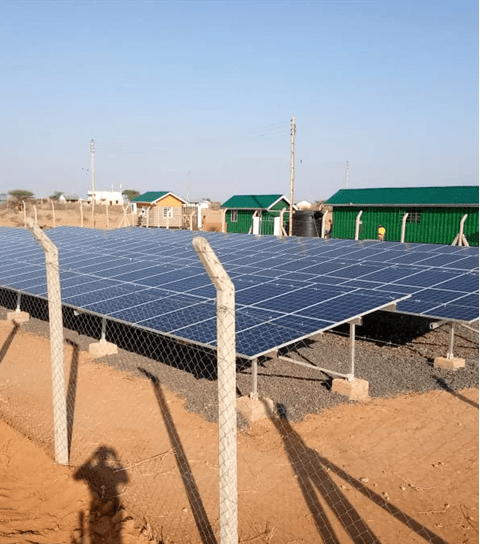
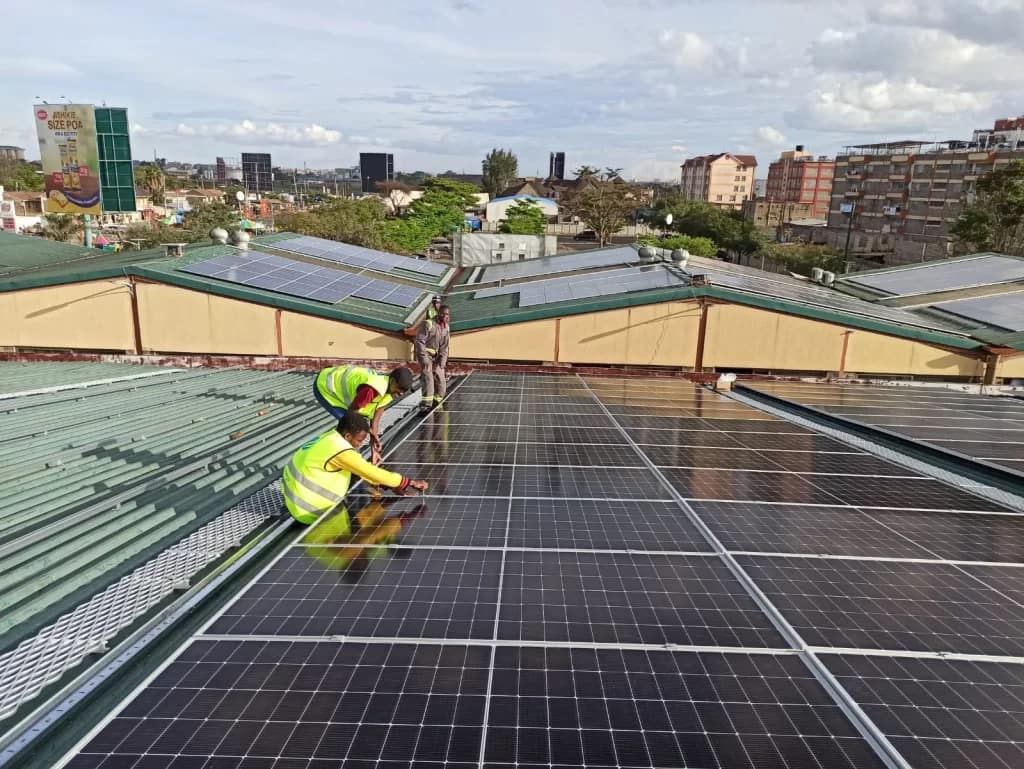
At plexus energy limited, we help you achieve this solar driven revolution. Subsidized Grid Costs vs. High Grid Costs



GROWATT SPF 5000ES SOLAR INVERTER
5kVA High Frequency New Generation Off-Grid Inverter for residential and commercial use.
COMMERCIAL & RESIDENTIAL SOLAR SERVICES:
✓ Engineering | Procurement | Construction
✓ Power Continuity Services
✓ Supply of Solar Products
✓ Solar Operations & Maintenance
✓ Remote Monitoring
WhatsApp or Call: +254 720 20 20 40
Chat on WhatsApp Click to Call +254 720 20 20 40